
-
RESEARCH AREA
CATALYSIS, ENERGY AND ENVIRONMENT
-
RESEARCH AREA
NANOMATERIALS FOR EMERGENT TECHNOLOGIES
-
RESEARCH AREA
BIOSYSTEMS, DRUG DISCOVERY AND SOFT MATTER
-
RESEARCH AREA
CATALYSIS, ENERGY AND ENVIRONMENT
CATALYSIS, ENERGY AND ENVIRONMENT
Description
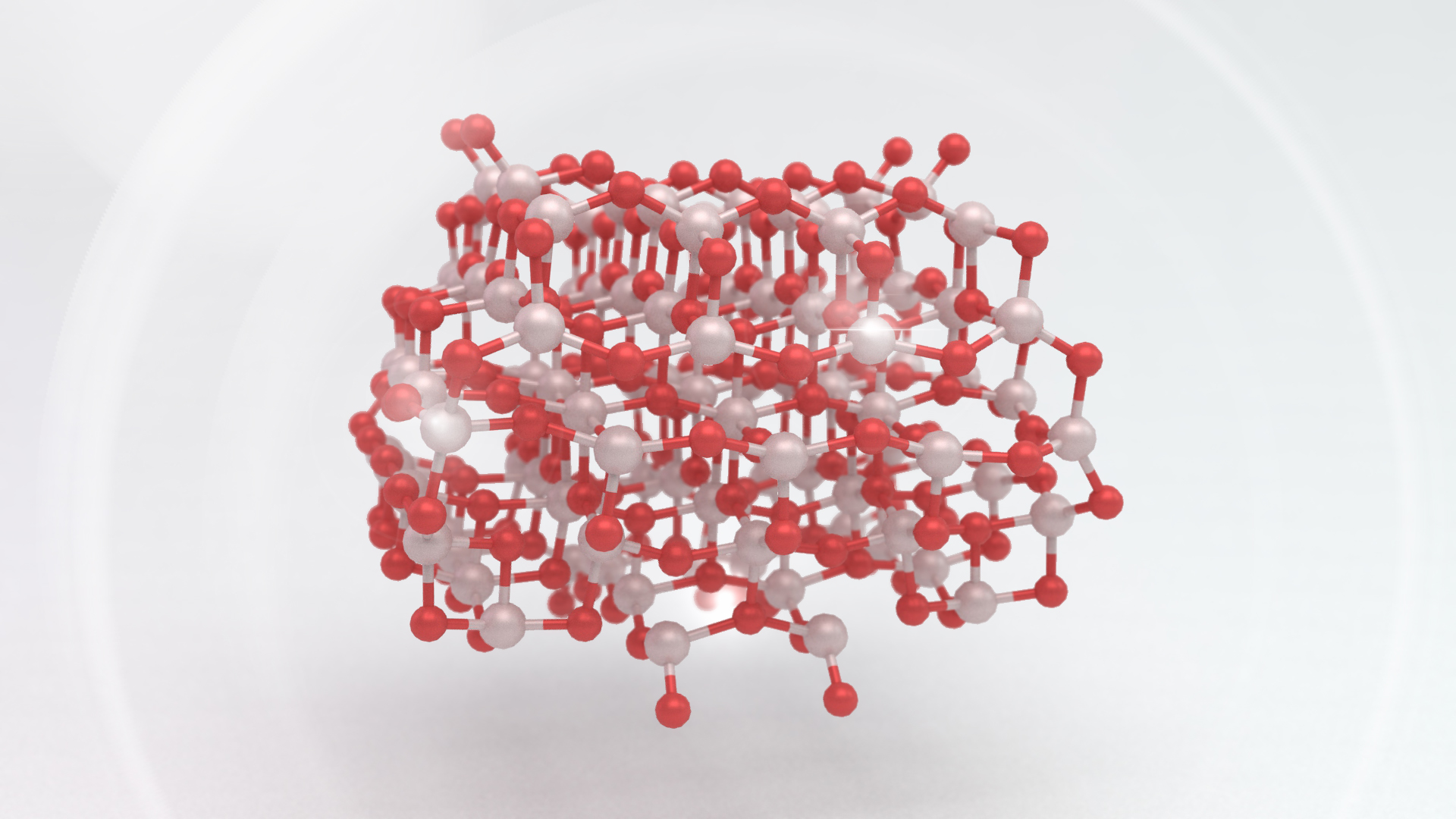
In this research area, computational tools are used to study and design new materials usable in catalysis, environmental remediation, and energy processes, combined with experiemental validation. Examples encompass electricity production in fuel-cell systems, CO2 valorization, green H2 generation, and materials for photovoltaic cells, beneffiting as well from direct contact with interested companies.
IQTC groups + researchers
• Reactivity of Nanostructures: Konstantin Neyman, Albert Bruix, Emanuele Telari
• Dynamics of Chemical Reactions and Complex Systems: Miguel Gonzalez
• Matheu Lab: Roc Matheu
• Applied Computational Chemistry & Molecular Modelling: Ramon Sayós, Jordi Bonet, Pablo Gamallo, Fermín Huarte, Alexandra Plesu
• Theoretical Surface Science and Catalysis: Francesc Illas, Francesc Viñes
• Computational Materials Design Hub: Ángel Morales
• Computational Inorganic Chemistry: Jesús Jover, Gabriel Aullón, Javier Heras
• Sustainable Electrochemical Processes: Teresa Andreu, Maria Sarret
• Surfaces, Developments and Treatments: Sergi Dosta,Camila Berreneche
• Theoretical Photochemistry Group: Carme Sousa
• New Energy & Optical Materials Lab: Shahzada Ahmad
Highlight Publications
Emergent Spin Frustration in Neutral Mixed-Valence 2D Conjugated Polymers: a Potential Quantum Materials Platform.
I. Alcón, J. Ribas-Arino, Ibério de P.R. Moreira, S. T. Bromley.
Journal or the American Chemical Society (2023) 145, 5674.Effects of Zr dopants on properties of PtNi nanoparticles for ORR catalysis: a DFT modeling
R. Farris, B.V. Merinov, A. Bruix, K.M. Neyman.
J. Chem. Phys. 160 (2024) 124706 (1-9).Quantum dynamics of the Br2 (B-excited state) photodissociation in superfluid helium nanodroplets: importance of the recombination process.
Arnau Vilà, and Miguel González.
Phys. Chem. Chem. Phys., 2022, 24, 24353.Zeolite-encapsulated single-atom catalysts for efficient CO2 conversion
G. Alonso, E. López, F. Huarte-Larrañaga, R. Sayós, H. Prats and P. Gamallo.
Journal of CO2 Utilization 54 (2021) 101777 (1-8).Importance of broken geometric symmetry of single-atom Pt sites for efficient electrocatalysis.
Junsic Cho, Taejung Lim, Haesol Kim, Ling Meng, Jinjong Kim, Seunghoon Lee, Jong Hoon Lee, Gwan Yeong Jung, Kug-Seung Lee, Francesc Viñes, Francesc Illas, Kai S. Exner, Sang Hoon Joo & Chang Hyuck Choi.
Nat Commun14, 3233 (2023).Estimating Nonradiative Excited-State Lifetimes in Photoactive Semiconducting Nanostructures
Rosendo Valero, Ángel Morales-García, and Francesc Illas.
J. Phys. Chem. C 2024, 128, 6, 2713-2721Comparative analysis of palladium, nickel and copper phosphane/carbene catalysts in Suzuki–Miyaura couplings: Mechanistic insights and reactivity trends
Francisco A. Gómez-Mudarra, Gabriel Aullón, Jesús Jover.
Advances in Inorganic Chemistry, Academic Press, 2024 -
RESEARCH AREA
NANOMATERIALS FOR EMERGENT TECHNOLOGIES
NANOMATERIALS FOR EMERGENT TECHNOLOGIES
Description
Using a multiscale approach, the properties of magnetic molecules, single transport molecular joints or switching nanodevices is investigated on the basis of their physical properties. The study of molecular, multifunctional and switchable materials oftechnological interest is key in order to enhance their properties. The outputs from our models greatly help synthetic labs toward the rational design ofnew materials with tailored properties.
IQTC groups + researchers
• Nanoclusters and Nanostructured Materials: Stefan Bromley, Isaac Alcón
• Electronic Structure: Eliseo Ruiz, Santiago Álvarez, Jordi Cirera, Silvia Gómez, Magda Pascual
• Electronic Structure and Symmetry: Pere Alemany, Miquel Llunell
• Structure of Molecular Materials: Mercè Deumal, Maria Fumanal, Fernando Mota, Jordi Ribas
• Theoretical and Computational Organic Chemistry: Josep Maria Bofill, Iberio Moreira
• ChemInFlow: Josep Puigmartí, Albert Cortijos, Mario Palacios, Maria Guix
• Molecular Light-Matter Interactions: Claudia Climent
• Functional materials and phase transitions: Eduardo Mendive
• Non-Equilibrium Supramolecular Self-Assembly Lab: Alessandro SorrentiHighlight Publications
Toward a Rigorous Theoretical Description of Photocatalysis Using Realistic Models
Ángel Morales-García, Francesc Viñes, Carmen Sousa, and Francesc Illas.
J. Phys. Chem. Lett. 2023, 14, 15, 3712–3720Molecular memory near room temperature in an iron polyanionic complex
Andrea Moneo-Corcuera, David Nieto-Castro, Jordi Cirera, Verónica Gómez, Jesús Sanjosé-Orduna, Carla Casadevall, Gábor Molnár, Azzedine Bousseksou, Teodor Parella, José María Martínez-Agudo, Julio Lloret-Fillol, Mónica Helvia Pérez-Temprano, Eliseo Ruiz, José Ramón Galán-Mascarós.
Chem, 2023, 9, 2, 377-393Understanding trends in conductivity in four isostructural multifunctional crystals of Se-Substituted BisDithiazolyl radicals.
Cristina Roncero-Barrero, M. Àngels Carvajal, Jordi Ribas-Ariño, Ibério de P.R. Moreira, Mercè Deumal.
Journal of Materials Chemistry C (2023) 12(26)Highly Adiabatic Time-Optimal Quantum Driving at Low Energy Cost.
Lluc Garcia, Josep Maria Bofill, Ibério de P. R. Moreira, and Guillermo Albareda.
Physical Review Letters 129, 180402 (2022)Electrostatic catalysis of a click reaction in a microfluidic cell
S. Sevim, C. Franco, A. C Aragonès, N. Darwish, D. Kim, R. Anna Picca, B. J. Nelson, S. Pané, I. Díez-Pérez, J. Puigmartí-Luis.
Nat. Commun., 2024, 15, 790.Caught in Action: Visualizing Dynamic Nanostructures Within Supramolecular Systems Chemistry
Akhil Venugopal, Lorena Ruiz-Perez, K. Swamynathan, Chidambar Kulkarni, Annalisa Calò, and Mohit Kumar.
Angew. Chem. Int. Ed. 2023, 62Decoding Key Transient Inter-Catalyst Interactions in a Reductive Metallaphotoredox-Catalyzed Allylation Reaction
Bart Limburg, Àlex Cristòfol, and Arjan W. Kleij.
J. Am. Chem. Soc. 2022, 144, 24, 10912–10920. -
RESEARCH AREA
BIOSYSTEMS, DRUG DISCOVERY AND SOFT MATTER
BIOSYSTEMS, DRUG DISCOVERY AND SOFT MATTER
Description
Using a wide range of available computational methods, from electronic structure to classical simulations, this area focuses on the study of biologically relevant systems. In particular, the study of the structure and reactivity of proteins and enzymes, drug design,photobiology and photosynthesis, processes in cellular membranes, enzymatic reactions in crowded media, and soft nanoparticles in solution are studied using computational chemistry tools.
IQTC groups + researchers
• Computational Photobiology Lab: Carles Eduard Curutchet Barat, Mariano Curti
• Bioinformatics and Molecular Modelling: Francisco Javier Luque, Carolina Estarellas
• Biophysical Chemistry of Macromolecules and Colloids: Francesc Mas, Sergio Madurga, Eudald Vilaseca
• Lab in Computational Organic Chemistry: Jordi Poater
• Self-Organized Complexity & Self-Assembling Materials: Ramon Reigada
• Quantum Simulation of Biological Processes: Carme Rovira
• Modeling of Biological Systems and Drug Design: Jaime Rubio
• Computational Molecular Design Lab: Jordi Juárez
• Molecular Neurobiology: Rafael Franco
• Nanomechanics in Biological Systems: Marina Giannotti
• Supramolecular Active Materials Laboratory: Mohit Kumar
• Supramolecular Photochemistry and Catalysis: Bart Limburg
• Advanced Oxidation Process Engineering: Mamta Jotkar
• Membrane Protein Modelling group: Salomé Llabres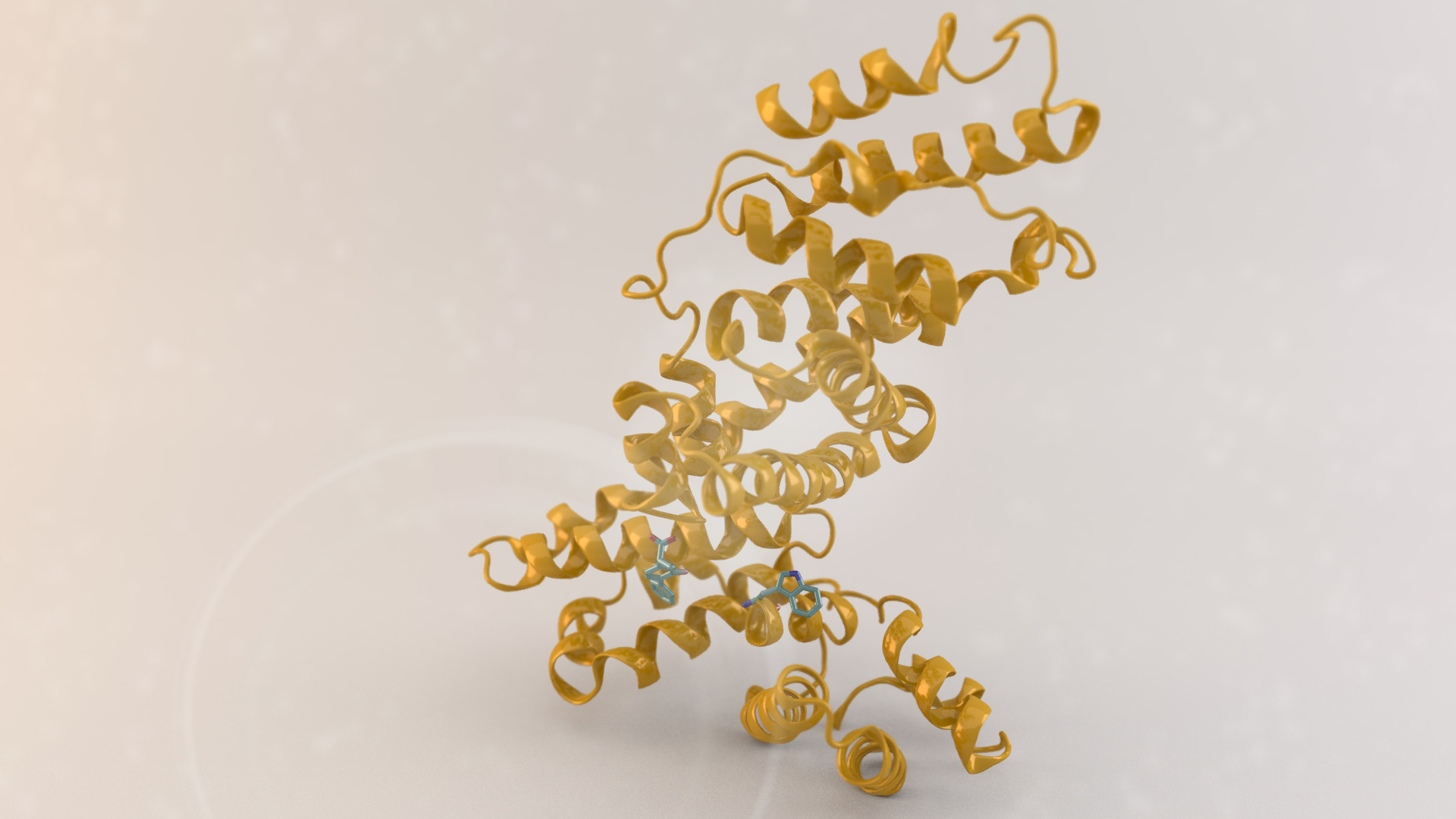
Highlight Publications
Unraveling the role of thermal fluctuations on the exciton structure of the cryptophyte PC612 and PC645 photosynthetic antenna complexes
B. Ozaydin and C. Curutchet. Front. Mol. Biosci. 2023, 10, 1268278.
Screening and Biological Evaluation of Soluble Epoxide Hydrolase Inhibitors: Assessing the Role of Hydrophobicity in the Pharmacophore-Guided Search of Novel Hits
J. Vázquez, T. Ginex, A. Herrero, C. Morisseau, B.D. Hammock, F.J. Luque
Journal of chemical information and modeling 2023, 63, 3209-3225Constant-pH Simulations of a Coarse-Grained Model of Polyfunctional Weak Charged Biopolymers
David Naranjo, Pablo M. Blanco, Josep L. Garcés, Sergio Madurga, Francesc Mas.
Biophysica 2024, 4(1), 107-127.Photoinduced Selective B–H Activation of nido-Carboranes
Shengwen Xu, Hongjian Zhang, Jingkai Xu, Weiqun Suo, Chang-Sheng Lu, Deshuang Tu, Xingwei Guo, Jordi Poater, Miquel Solà, and Hong Yan
J. Am. Chem. Soc. 2024, 146, 11, 7791–7802Molecular basis for bacterial N-glycosylation by a soluble HMW1C-like N-glycosyltransferase
Beatriz Piniello, Javier Macías-León, Shun Miyazaki, Ana García-García, Ismael Compañón, Mattia Ghirardello, Víctor Taleb, Billy Veloz, Francisco Corzana, Atsushi Miyagawa, Carme Rovira, and Ramon Hurtado-Guerrero
Nature Communications. 2023, 14, 5785A Step Forward toward Selective Activation/Inhibition of Bak, a Pro-Apoptotic Member of the Bcl‑2 Protein Family: Discovery of New Prospective Allosteric Sites Using Molecular Dynamics
Guillem Vila-Julià, Juan J. Perez, and Jaime Rubio-Martinez
J. Chem. Inf. Model. 2023, 63, 3544−3556Lenalidomide Stabilizes Protein–Protein Complexes by Turning Labile Intermolecular H-Bonds into Robust Interactions
Marina Miñarro-Lleonar, Andrea Bertran-Mostazo, Jorge Duro, Xavier Barril, and Jordi Juárez-Jiménez.
J. Med. Chem. 2023, 66, 9, 6037–6046